Toya Delazy Lifts The Lid On The Dark Side Of SA Music Industry
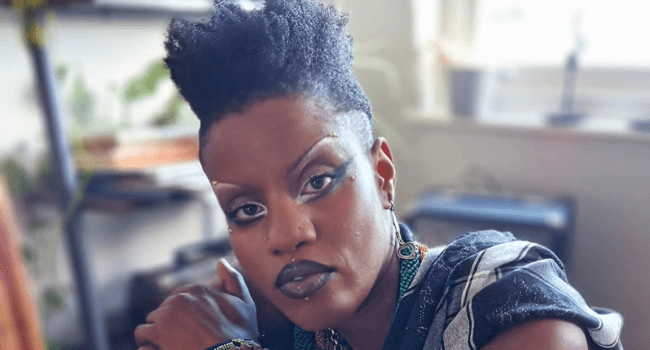
Toya Delazy Lifts The Lid On The Dark Side Of SA Music Industry. Multi-award-winning South African artist Toya Delazy has delivered a blistering public statement accusing the local music industry of exploitation, blacklisting and systemic control that she claims has cost artists their careers and, in some cases, their lives.
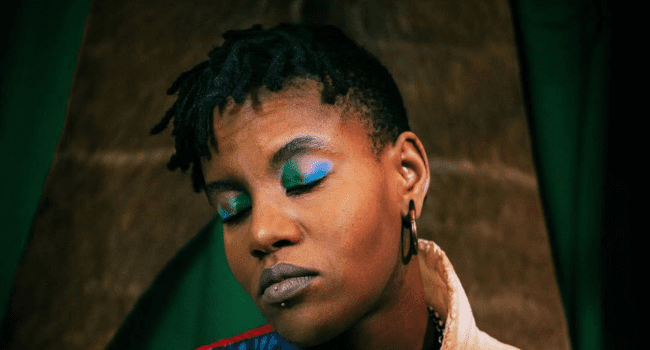
In a deeply personal post shared on X, the London-based performer said she is living in what she describes as “forced exile” after choosing independence and questioning contractual agreements she later came to regret.
“So many artists were pushed into suicide,” she wrote. “Others, it’s still under debate if they even did it themselves. But the industry in South Africa has been left out of the conversation on brutality, and it needs a revolution.”
Born Latoya Nontokozo Buthelezi in eMahlabathini, KwaZulu-Natal, Delazy rose to prominence in the early 2010s with chart-topping hits such as “Pump It On.” The granddaughter of anti-apartheid leader Mangosuthu Buthelezi and great-granddaughter of composer Princess Magogo, she carved out a distinctive identity in pop before pioneering her self-described Afrorave sound, a fusion of Zulu tradition, gqom and global electronic energy.
Despite her early success, which included three South African Music Awards, Delazy now claims she has been unable to secure radio play in South Africa for more than 13 years.
“I’m an artist living in forced exile because I chose my independence,” she stated. “It may not have been announced like apartheid days, at least then you knew what was happening. This is all hidden. They closed every single avenue.”
Her allegations include so-called “slave contracts,” payola practices and the systematic removal of local competitors. She also suggested that powerful networks within the industry operate in ways she believes are “linked and darker than the US.”
According to Delazy, her decision to relocate abroad was not a creative move but a survival strategy. She says her understanding of the industry’s alleged control only became clear after carefully reviewing contractual fine print affecting her and others.
“The story needs to be told,” she urged. “I’m telling you so you know what is happening and why I need your support. Music is my livelihood.”
Delazy has previously alluded to industry tensions. In late 2023, following the tragic death of fellow musician Zahara, she revealed plans for a tell-all book titled What Happened to Toya. Earlier this month, she referenced “transmuting my pain in exile.” This latest statement, however, carries a sharper edge. It is direct, urgent and unapologetic.